Notes From the Coffee Bar: What Wine Can Learn About Talking Flavour
Specialty coffee offers wine brands a useful lesson in helping everyday customers understand, choose and talk about flavour.
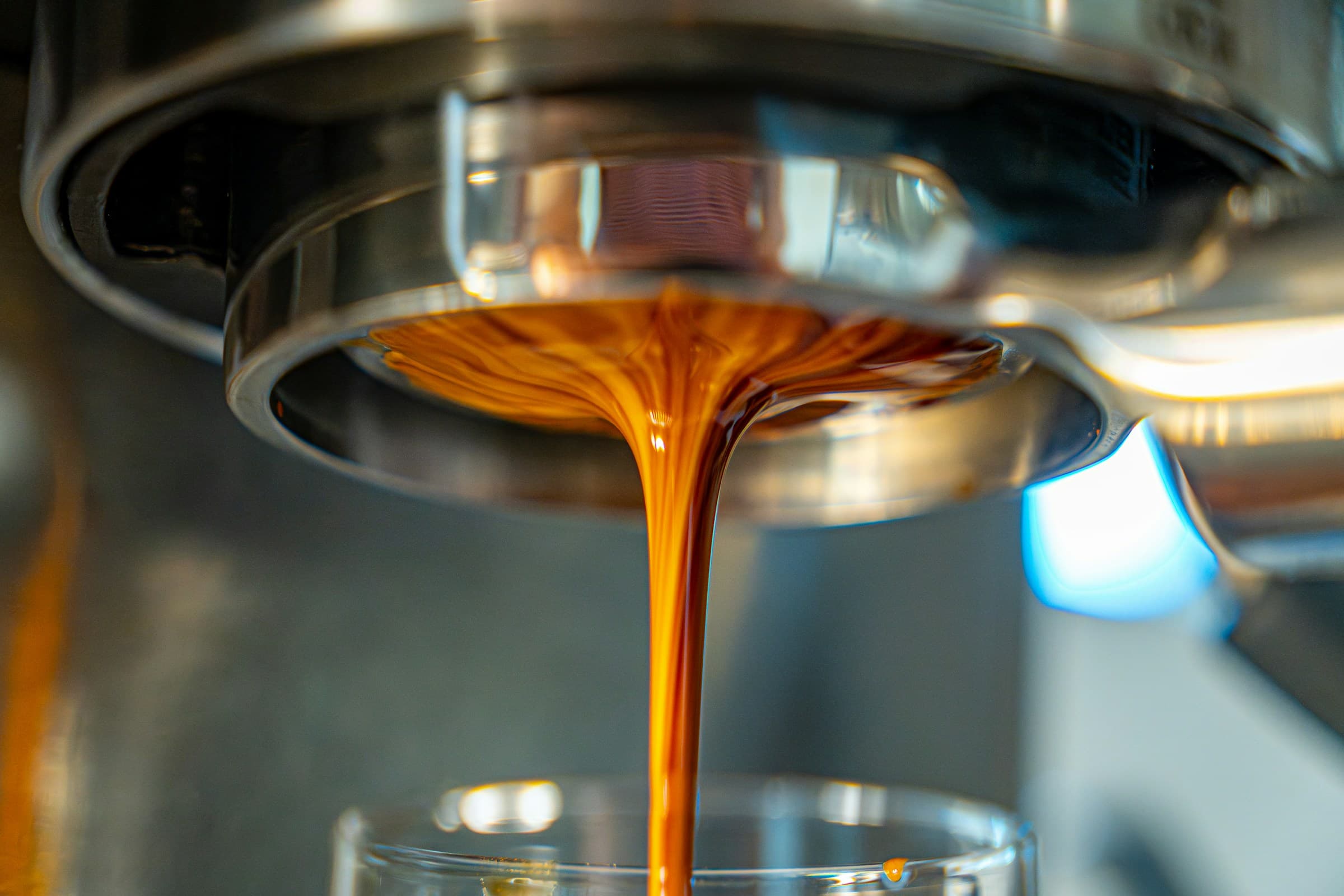
Specialty coffee has become better than wine at one specific thing: helping everyday customers understand, choose and talk about flavour.
That isn't a claim that coffee is simpler. A washed Ethiopian and a Barossa shiraz are both complex, and both industries lean on the same strange vocabulary of blueberry, jasmine and dark chocolate. The difference is in the communication around the product. How it's presented, how it's explained, and how much the customer is invited into the conversation.
For anyone marketing wine, that gap is worth studying. Coffee went through its own education problem not that long ago, and the way it solved it holds some useful lessons.
The third wave: when coffee started teaching
The turning point for coffee communication was the third wave. The term was popularised in the early 2000s by roaster Trish Rothgeb to describe a shift in how coffee was treated. It went from commodity to something closer to a craft product, with origin, producer and processing method all suddenly mattering.
The first wave made coffee a household staple. The second wave, led by the big café chains, made it an experience and a lifestyle. The third wave made it something you could learn about.
What matters for this comparison is that the third wave didn't just improve the coffee. It changed the relationship between the people selling it and the people drinking it. Roasters and baristas became educators by default. Customers were told where the beans came from, who grew them, how they were processed and what they should expect to taste. Cuppings opened to the public. Cafés put brew methods on the menu. In Australia, where café culture was already strong, this landed on fertile ground.
Crucially, the education was delivered at the point of purchase, in plain language, by someone happy to answer questions. That is the habit wine can learn the most from.
How coffee talks about flavour now
Pick up a bag from almost any specialty roaster and you'll see the same pattern. Three tasting notes, big and up front. Origin, producer, altitude and process underneath. A roast date. Often a simple scale for body or acidity, and a suggestion for how to brew it.
A few things make this work:
- Three notes, not ten. "Stone fruit, honey, black tea" is easy to hold in your head and easy to check against your own cup.
- Familiar words first. Notes lean on everyday foods. The technical detail is there for those who want it, but it sits second.
- Shared reference tools. The coffee flavour wheel, updated in 2016 by the Specialty Coffee Association and World Coffee Research, gave the whole industry one consistent vocabulary. Roasters, baristas and customers all learned from the same map.
- Context, not just description. Coffee communication tells you why a coffee tastes the way it does. Natural-processed beans are fruitier. Higher altitudes tend to bring brighter acidity. The customer learns a cause and effect they can apply to the next bag.
- Permission to disagree. The framing is "see if you can pick up", not "this is what you should taste". Customers are invited to explore rather than tested.
The result is a customer who, after a few months of buying good coffee, can walk into a café and say "I like naturals" or "something chocolatey for milk". They have a working vocabulary and the confidence to use it.
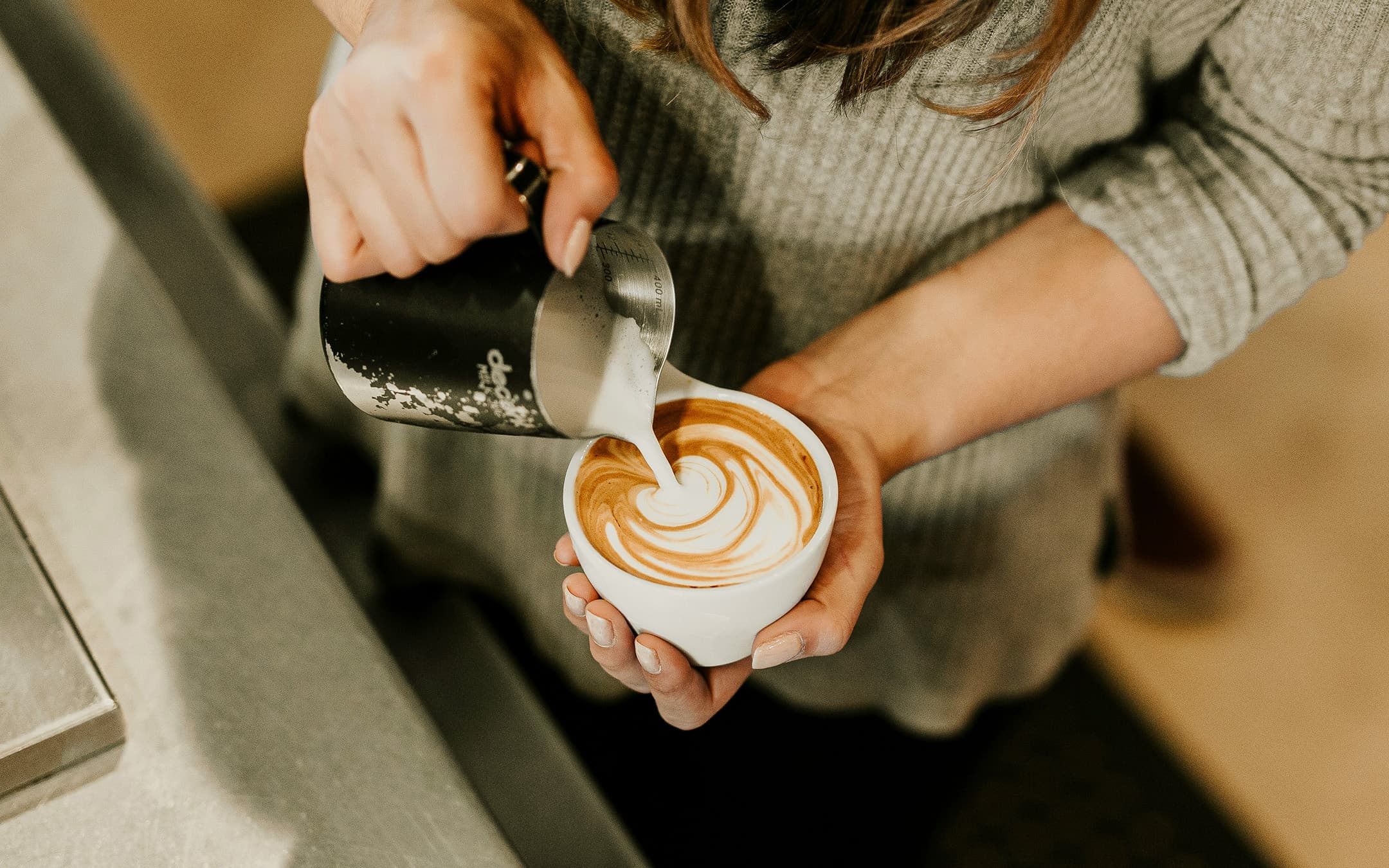
Where wine tends to fall short
Wine has more history, more tools and arguably more expertise than coffee. It had its own aroma wheel back in the 1980s, developed at UC Davis. The problem isn't a lack of knowledge. It's how that knowledge reaches the average buyer.
Plenty of wineries do this well, but the common patterns look like this:
- Notes written for critics, not customers. Long paragraphs of "forest floor, cigar box, graphite and a long, mineral finish" are accurate, but they're hard for a casual drinker to use.
- Too many descriptors at once. Eight or nine notes in a back label blur together. Nothing stands out, so nothing sticks.
- Description without explanation. Customers are told what a wine tastes like, rarely why. Grape, climate, oak and winemaking choices are left for the enthusiast to work out.
- An expert tone that intimidates. Many people feel there's a right answer in wine and they don't know it. That keeps them buying the same safe bottle.
- Inconsistent structure. Every winery formats tasting notes differently, so customers never build a habit of reading them.
Put side by side, the difference in presentation is clear:
| What the customer sees | Typical specialty coffee bag | Typical wine back label or web listing |
|---|---|---|
| Headline flavour | Three short notes, front and centre | A paragraph, often lower on the page |
| Language | Everyday foods and drinks | Mix of everyday and technical terms |
| Why it tastes that way | Origin, process and altitude listed | Often left out or buried |
| Freshness or timing | Roast date and a "best within" window | Vintage, with drinking window rarely stated |
| How to enjoy it | Brew method suggestions | Sometimes a food pairing |
| Tone | "See what you pick up" | "This is what it is" |
None of this is about wine being harder. It's about wine often presenting its complexity all at once, instead of giving people a way in.
The home brewing parallel
There's an obvious difference between the two industries. Coffee drinkers can make the product themselves. With a grinder, a pour-over and a scale, anyone can change a variable and taste the result the next morning. Every cup is a small experiment, and that feedback loop builds understanding fast.
Wine drinkers can't make wine at home in the same way. But the principle behind home brewing still applies: people learn flavour best when they take part, not when they're simply told.
Wine has more participation available than it often uses:
- Side-by-side tasting. Two bottles of the same grape from different regions, or the same wine a few years apart, teach more than any paragraph can.
- Serving as a variable. Temperature, decanting, glassware and time open all change what's in the glass. That's wine's version of grind size and brew ratio.
- Food as an experiment. Pairing is something customers can test at their own dinner table, with a clear before and after.
- Cellar door as the coffee bar. The cellar door already works like a specialty café counter: a knowledgeable person, a product in front of you and room for questions. The opportunity is to carry that same tone into labels, emails and online listings.
The gear is different, but the goal is the same. Give customers something to do, not just something to read.
Key learnings for wine brands
- Lead with three notes. Pick the three flavours a customer is most likely to notice and put them first. Keep the fuller description for those who scroll.
- Use one structure everywhere. The same layout on labels, product pages, emails and cellar door cards teaches customers where to look.
- Explain the why. One line on what shapes the flavour, such as cool climate, time in French oak or whole-bunch ferment, turns a description into something customers can learn from and apply to the next bottle.
- Write like the person behind the counter. The tone that works at the cellar door works online too. Warm, specific and comfortable with "you might notice".
- Add simple scales. Body, sweetness, acidity and tannin on a visual scale do more for a first-time buyer than another adjective.
- Give people something to try. A serving tip, a pairing to test or a suggestion to compare two wines invites participation, the way brew guides do for coffee.
- Make it safe to not know. Remove the sense of a right answer. Customers who feel confident will explore further down the range, and that's good for them and for the business.
A closing thought
Coffee didn't simplify its product to win customers over. It simplified the way in. The complexity is all still there for anyone who wants it, but the first step is short, friendly and consistent.
Wine has every ingredient needed to do the same: great stories, passionate makers and a product people already love to share. The opportunity is in presentation. Brands that treat every tasting note as a small piece of customer education, rather than a description for the already converted, will build drinkers who are more curious, more confident and more loyal.