Smaller baskets, more decisions: what Australian retailers should change now
Australian shoppers are buying more often and weighing value carefully. Here is a practical plan for pricing, delivery and repeat purchases.
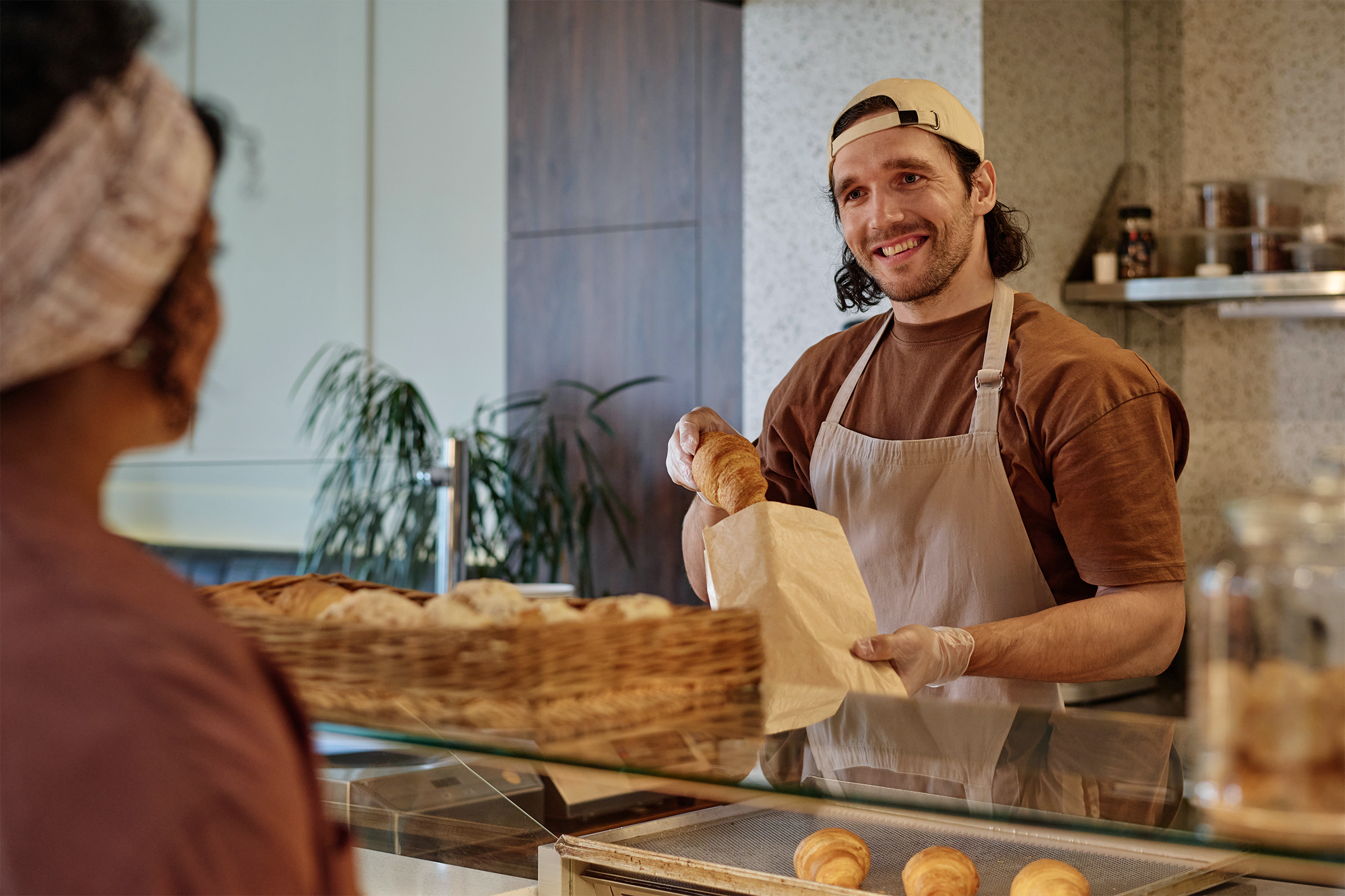
Australia's online retail story is no longer simply about getting more people to buy online. It is about winning more frequent, considered purchases. Australia Post's 2026 eCommerce Report says Australians spent $82.6 billion online in 2025, up 14% year on year, while the average basket fell to $96. Its survey also found that 81% of shoppers look around for deals.
Those are national signals, not a forecast for every store. But they give Australian retailers a useful question: does our buying experience make value and convenience obvious before the customer compares us with someone else?
Make value visible without racing to the lowest price
“Value” is broader than a discount. A customer might pay more for a reliable delivery date, easy returns, helpful advice or a product that lasts longer. Show those reasons where decisions happen: on product pages, in comparison content and in the cart.
Start with your ten most viewed products. For each one, check whether a first-time visitor can answer:
- What problem does this solve, and who is it for?
- What is included in the price?
- When and how will it arrive?
- What happens if it is unsuitable?
If a customer must search for these answers, a competitor's listing becomes an easier choice. A short demonstration, clear dimensions or an honest comparison may be more useful than another promotional badge.
Treat delivery information as part of the offer
In Australia Post's survey, 69% of shoppers wanted a range of delivery options at checkout, including out-of-home collection and returns. That does not mean every retailer needs every option. It means delivery choice can influence the purchase, and hiding it until the final step leaves a question unanswered for too long.
Show the available delivery methods, estimated costs and dispatch timing on the product page or nearby. If you offer local pickup, explain where and when. If shipping costs vary by postcode, let people estimate them before they enter payment details.
Design for the second purchase
Smaller baskets make repeat purchase economics more important. Map what happens after an order: confirmation, delivery updates, help using the product, and a relevant reason to return. A good follow-up is useful even if it never includes a discount.
For a skincare retailer, that might be a simple usage guide followed by a replenishment reminder at a sensible interval. For a homewares store, it might be care instructions and a complementary item only when it genuinely fits. Ask for an email preference rather than assuming every customer wants the same frequency or subject.
Measure repeat purchase rate, contribution margin and customer support contacts alongside conversion rate. A promotion that raises order volume but erodes margin or creates avoidable support work is not automatically growth.
A four-week retail test
| Week | Change | Measure |
|---|---|---|
| 1 | Audit top product pages and shipping questions | Baseline conversion and support contacts |
| 2 | Clarify value, inclusions and delivery | Product-to-cart rate |
| 3 | Improve one post-purchase message | Repeat visits and support contacts |
| 4 | Compare by product and customer group | Margin and repeat purchase rate |
Keep the test small enough to learn from. If shoppers respond to clearer delivery information, apply it across the catalogue. If they do not, use actual customer questions to find the next source of friction.
Sources: Australia Post eCommerce Report 2026; Australia Post eCommerce reports and quarterly updates.